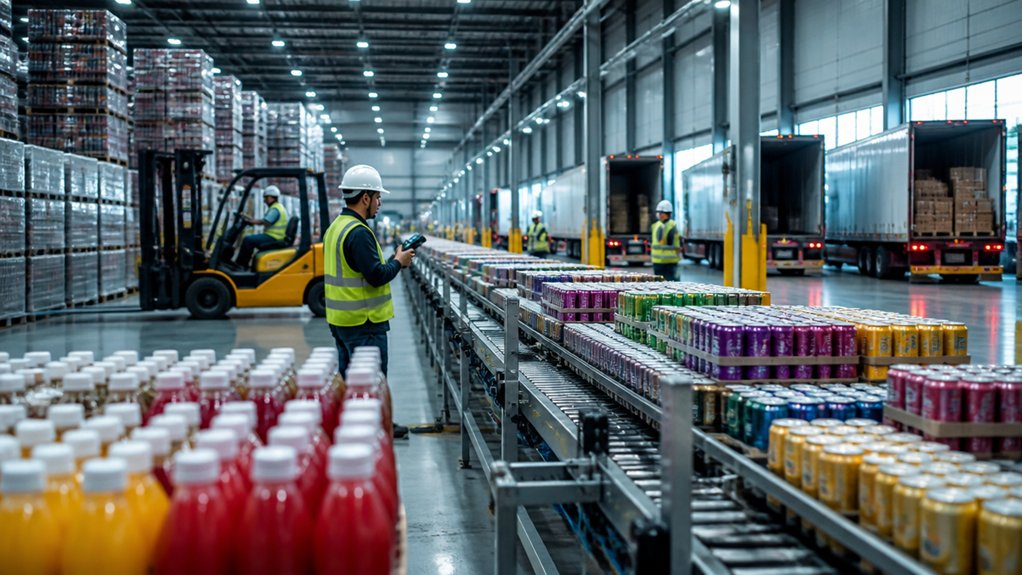
A national retail order can expose weaknesses in a beverage supply chain. If ingredients or production capacity are not secured, growth may lead to missed deliveries.
Start by mapping the route from sourcing to distribution. Check where capacity is limited, which suppliers can meet higher volumes and how much notice they need. Forecast demand using verified sales data, and distinguish confirmed orders from estimates.
Before accepting a larger commitment, decide how you will respond if demand rises or a supplier falls short. Flexible supply arrangements, packaging that can scale and distributors with clear delivery targets can help you expand while limiting waste.
I have seen how important it is to identify constraints before they become urgent. Review your current process and address the first bottleneck before it limits growth.
Find Beverage Supply Chain Bottlenecks Before Scaling
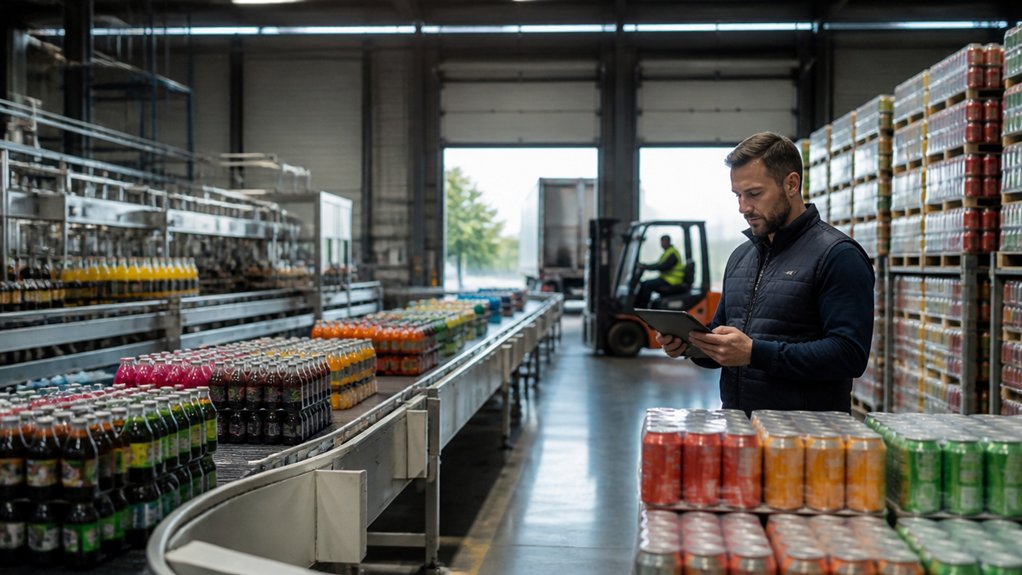
Before you scale, identify where your beverage supply chain is most likely to fail. Trace the full process, from ingredient sourcing and production to packaging, storage and delivery. Measure throughput, lead times, capacity use and failure rates so you can see where delays or extra costs may emerge as volumes grow.
Compare suppliers’ commitments with their actual performance. Check whether co-packers, equipment, labour and warehouse space can support larger production runs. I’ve seen how useful this discipline can be: it shifts the discussion from optimistic forecasts to the capacity your business can reliably count on.
Rank potential constraints by their likelihood and impact. Then decide what to address first. Practical steps might include qualifying a backup supplier or reserving production capacity. Resolve the highest-risk constraint before expanding distribution, rather than waiting for missed deliveries to undermine retailer confidence.
Forecast Beverage Demand From Reliable Sales Data
Forecast demand from verified sales, not optimistic projections. Build your forecast around point-of-sale transactions, distributor shipments and repeat purchases. Keep confirmed orders separate from retailer estimates; otherwise, you risk mistaking stock moving through the pipeline for demand from consumers.
Check that your data is reliable. Reconcile sales feeds with returns, promotions and stockouts across channels. A stockout, for example, can make demand look weaker than it is, while a promotion may create a temporary rise that shouldn’t be treated as a lasting trend.
Compare weekly results with seasonal patterns and campaign timing. Ask whether a change reflects a genuine shift in demand or a short-term effect. Then update a rolling forecast as new evidence arrives, recording why each adjustment changes expected volume.
I advise growing businesses to give sales and operations teams one consistent forecast. Agree on the assumptions behind it, and make clear which figures are confirmed and which remain estimates. This gives you a sounder basis for distribution decisions and helps reduce the risk of overproduction or missed sales.
Angus Fleming is founder of Fleming Business Consultancy in London. A former consultant to FTSE 100 and S&P 500 companies, he now advises growing businesses worldwide.
Secure Flexible Ingredients and Production Capacity
A reliable forecast is useful only if your supply chain can respond. Use projected volumes to set ingredient requirements, then secure supply from more than one qualified supplier where practical. Before committing, compare lead times, minimum order quantities, quality records and exposure to price changes. Approve suitable substitutes in advance, so a shortage doesn’t stop production.
Build capacity that can expand or contract with demand. Reserve flexible production windows with co-manufacturers and agree volume bands in your contracts. Track utilisation, changeover times and on-time delivery to spot constraints early.
Review forecasts and supplier commitments each month. Adjust orders and production slots as demand changes. This helps your business respond to growth without tying up cash in excess stock or paying for capacity it doesn’t use.
I advise growing businesses to treat supply and production commitments as decisions to revisit, not assumptions to leave in place.
Choose Packaging That Scales With Less Waste
As volumes grow, packaging affects unit costs, production speed and waste. Choose formats that fit your existing filling lines and can handle higher throughput without expensive equipment changes.
Compare options by landed cost per unit, line speed, breakage, product loss and material weight. Purchase price alone can be misleading. Standardising bottle, can or carton sizes can also simplify changeovers and reduce inventory complexity.
Before committing, test packaging under representative transport conditions. Track damage and product loss across shipments, then use the results to inform your decision.
Prioritise recycled or lightweight materials where they meet shelf-life and performance requirements. Review the results quarterly, and set waste targets that can be measured against both cost and material savings.
— Angus Fleming, founder of Fleming Business Consultancy in London. A former consultant to FTSE 100 and S&P 500 companies, I now advise growing businesses worldwide.
Choose Distributors That Fit Your Growth Plans
Choose distributors for the markets you intend to enter, not only for the orders they can place today. Assess their regional reach, retail relationships, cold-chain capacity and service levels against your expansion plans.
Compare fees, minimum order requirements, fill rates and delivery frequency. Use these to estimate the total cost of getting products to customers, and to identify constraints that could limit growth. A distributor should help you reach new markets without reducing availability in the ones you already serve.
Ask for performance data and references from businesses at a similar stage. Set clear targets for market coverage, on-time delivery and account growth, then review progress quarterly. I’d also check that the distributor has the capacity to meet those targets as demand changes.
The right partner can grow with your business. Choose on evidence, and make sure the arrangement supports both your next market and your current customers.
Conclusion
Scaling distribution is not simply a matter of producing more. Small inefficiencies in sourcing, production and delivery can become costly as volumes rise. This works equally well with restaurants and food suppliers.
Start by mapping each step in the supply chain, from purchasing ingredients to delivery. Use verified sales data to distinguish confirmed demand from forecasts, and base production commitments on realistic growth plans.
Identify backup suppliers and agree how production could expand if demand increases. Standardise packaging where practical, and test how products withstand transport and storage before widening distribution.
Choose distributors with clear responsibilities and measurable targets. Review performance regularly, including delivery reliability, product condition and sales against agreed expectations. I advise growing businesses to address these basics early: they help protect quality, limit waste and make expansion more manageable.
Angus Fleming is founder of Fleming Business Consultancy in London. He is a former consultant to FTSE 100 and S&P 500 companies and now advises growing businesses worldwide.