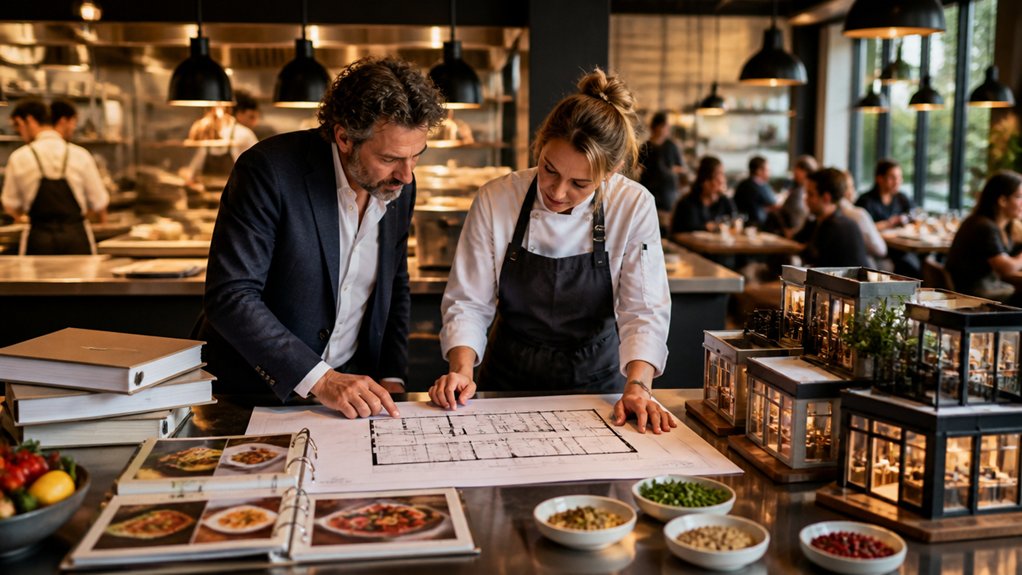
Growth magnifies the way your restaurant already operates, for better or worse. Before adding locations, decide what good performance means in practice. Set measurable standards for service, food quality, cleanliness and speed, then give teams clear procedures they can follow on every shift.
Use performance data to identify recurring problems. Train staff in the daily routines that matter, and compare results across locations using systems that give you a consistent view. I advise leaders to check not only whether standards are being met, but where and when they are slipping. That is often the signal a growth plan needs to address first.
Set Standards Before Expanding Your Restaurant
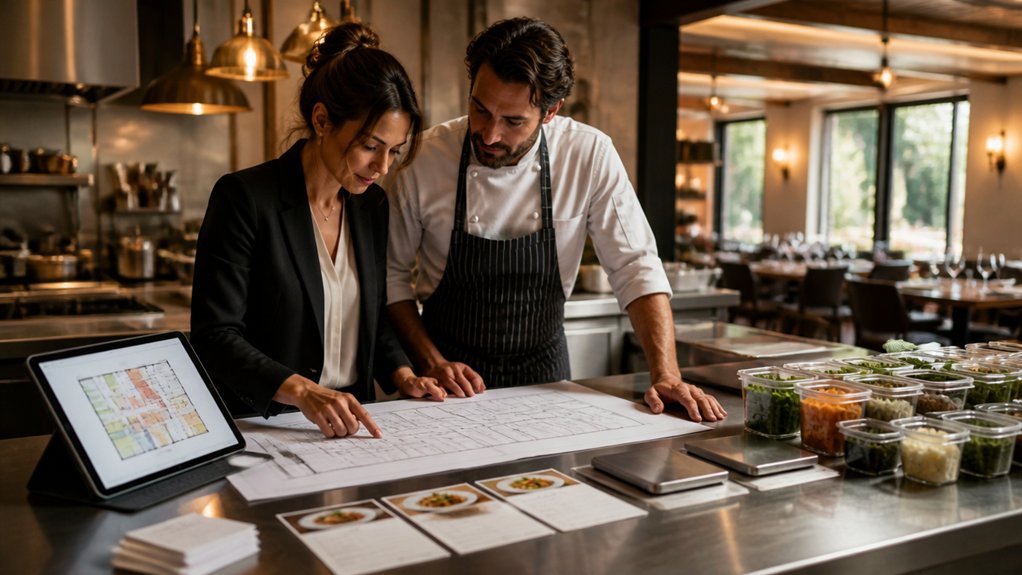
Before expanding, ask whether your team can deliver the same guest experience on every shift and at every site. Growth will magnify inconsistency, not correct it.
Growth magnifies inconsistency. Make sure every shift and site can deliver the same guest experience before you expand.
Set clear, measurable standards for service, food quality, cleanliness and speed. Decide how to track them, who’s responsible and what leaders should do when performance falls short. Useful measures include guest ratings, ticket times, order accuracy and labour costs.
Review results across shifts and locations. Look for recurring gaps, then address their causes before adding sites. I’ve seen how much clearer decisions become when leaders rely on evidence rather than assumptions.
Expand only when performance meets your standards consistently. Strong franchise governance makes expectations clear and accountability visible to every operator.
Build Repeatable Systems for Every Location
How will each location deliver the same result? Set clear operating standards, then turn them into procedures that teams can follow and managers can check. Document recipes, portion sizes, preparation sequences, equipment settings and stock thresholds. Make the method practical enough to use during a busy shift.
Choose a small set of measures that show whether standards are being met, such as service times, waste, food costs and audit scores. Compare results across locations to identify gaps early. Schedule regular quality checks and agree what managers should do when performance falls short.
I advise growing businesses to treat their operating playbook as a working document. Review it when results show that a process needs to change, and make sure every location receives the update. Clear procedures and consistent measurement help you expand without losing control of the customer experience.
Train Teams to Deliver a Consistent Guest Experience
Consistent service comes from making standards part of everyday work, not treating them as an onboarding exercise.
Consistent service is built by embedding standards into everyday work, not limiting them to onboarding.
Start by identifying the moments that matter most to guests: greetings, order accuracy, resolving problems and handing work between colleagues. For each, define what good practice looks like in observable terms. Staff should know what to do and say, and managers should be able to assess whether the standard has been met.
Use role-play and coaching during shifts to help teams practise. Give managers the same lesson plans and checklists so each location teaches the same priorities. Then assess proficiency through short demonstrations, rather than relying on attendance alone. Where a team misses a standard, provide a focused refresher and check progress again.
I advise growing businesses to treat training as an operating discipline. A clear programme, applied consistently, helps turn the organisation’s service standards into habits that can be sustained as it expands.
Track Restaurant Growth, Quality, and Costs With Tech
Training sets the service standard. Technology helps you see whether each location is maintaining it as the business grows.
Connect point-of-sale, staffing, stock and guest-feedback data so you can compare locations on a consistent basis. Review sales, service times, order accuracy, labour costs, waste and guest ratings each week. Investigate unusual results early, before they become recurring problems.
Assess your technology to find duplicated tools, gaps between systems and delays in reporting. Make sure each purchase, shift and instance of waste is assigned to the right location and period. Then set clear thresholds, name someone to act on them and review the results regularly.
I advise growing businesses to treat these measures as prompts for investigation, not as a substitute for judgement. Used well, they help you identify profitable growth, protect the guest experience and make decisions on evidence rather than assumption.
Conclusion
Scaling a restaurant brand is not simply a matter of opening more sites. The challenge is to preserve the details that bring guests back while making good practice repeatable.
Set clear standards for service, food quality and cost control. Turn them into practical playbooks, and train teams as part of their daily work. Use technology to monitor performance across locations, but treat the figures as prompts for questions, not a substitute for judgement.
When results begin to drift, find the cause early and agree a measured response. In my experience, growth is more reliable when leaders know what must remain consistent, where local teams can adapt and who is responsible for each decision. That gives each new opening a sounder foundation.