
Commercial projects usually run for longer than residential jobs and involve more trades, approvals and contractual dependencies. Moving into this market may increase demand, but it does not guarantee stronger margins.
You will need reliable estimating, firm credit controls and clear accountability for each project. Review how you price risk, coordinate subcontractors and manage changes before you bid. Ask whether your people, processes and systems can handle the added complexity—and identify where residential habits could expose the business to cost, delay or disputes.
In my experience, the practical test is whether your controls can keep pace with the work. If they cannot, strengthen them before committing to a larger programme.
Assess Your Readiness for Commercial Construction
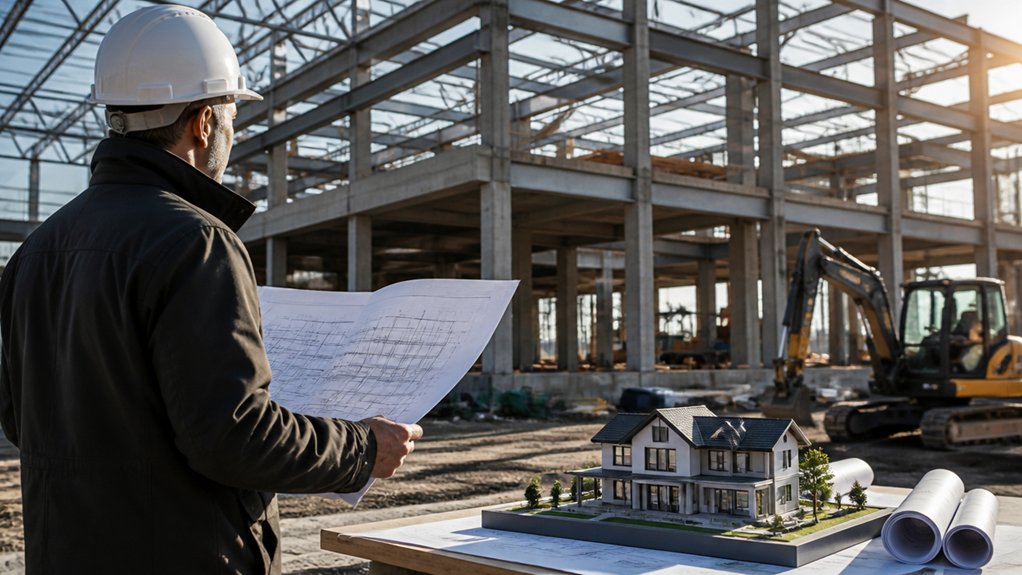
Before pursuing commercial projects, assess whether your business can meet their greater demands for capital, coordination, compliance and documentation. Compare your current capacity with the likely requirements: larger teams, longer programmes, specialist subcontractors and more rigorous reporting.
Before taking on commercial work, weigh its demands against your capacity for funding, coordination, compliance and documentation.
Review your cash reserves, insurance cover, safety record and staff experience. Identify where each falls short of the demands you expect to face. Then rank the risks by likelihood, cost and potential impact, and decide who’s responsible for addressing them.
Check whether your scheduling systems can manage multiple trades, inspections and dependencies without placing too much pressure on supervisors. Ask your team to record relevant past performance and identify any training needed before work begins.
I advise growing businesses to make this decision on evidence, not optimism. Proceed when your capacity, controls and accountability are sufficient to support reliable delivery.
Prepare to Price and Contract Commercial Work
Once you understand your capacity, build a pricing model from documented costs, realistic schedules and explicit risk allowances. Choose a method—unit pricing, a lump-sum bid or a cost-plus agreement—that fits the scope and the client’s requirements. Use past job records to estimate labour, materials, subcontractors, insurance and overhead. Then test whether your margin can withstand delays or changes in costs.
Before submitting a bid, confirm the payment terms, retainage, change-order process, warranties and any liquidated damages. Review contract clauses with qualified legal counsel, and assess your exposure before signing. Price each obligation clearly. If the terms are uncertain or the contingency is inadequate to protect your target return, decline the work.
Plan Teams and Systems for Commercial Projects
Commercial projects need an organisation and operating system that can manage complexity without losing sight of cost or programme. Start by agreeing who owns each decision, where reliable information sits and how teams will act when plans change.
- Appoint a project lead to coordinate estimating, operations, procurement and site teams from tender through to closeout. Make their authority clear, including which decisions they can make and which must be escalated.
- Agree working protocols with architects and consultants. Set deadlines for design reviews, establish document control and define how unresolved issues will be raised and decided.
- Clarify how contracts allocate risk. Track exposures, change orders, requests for information and programme variances in one reporting system, with named owners and agreed actions.
Review these measures weekly. Ask what’s changed, what could affect cost or programme, and who’s responsible for the next step. In my experience, clear accountability helps leaders identify slippage early and grow delivery capacity without relying on informal communication.
Conclusion
Commercial construction is not simply a larger version of residential work. It requires a different way of running the business. Before taking on a project, assess whether your estimating, cash flow, credit controls and subcontractor network are ready for its demands.
Price risk carefully, agree clear contract terms and appoint one person to lead the project. Put reliable systems in place for schedules, compliance, records and change orders. Then track costs and milestones against the plan, and use the results to improve how you work.
I advise growing businesses to expand at a pace their controls can support. That discipline can help your firm take on commercial work without allowing complexity to outrun its capabilities.